Sparkdex
Sparkdex: What Is Sparkdex and How Does It Work? A Beginner’s Guide
Decentralized finance (DeFi) has transformed how people trade, lend, and manage digital assets without traditional intermediaries. Among the growing number of decentralized exchanges (DEXs), Sparkdex stands out as a platform designed to make decentralized trading more accessible for beginners while still offering powerful tools for experienced users. In this guide, we will break down what Sparkdex is, how it works, and why it matters in today’s DeFi ecosystem.
If you are new to decentralized exchanges and want a clear, beginner-friendly explanation, this article will walk you through the essentials of Sparkdex and its core mechanics. To explore the platform directly, you can visit Sparkdex and see how its interface and features are structured.
What Is Sparkdex?
Sparkdex is a decentralized exchange that allows users to trade cryptocurrencies directly from their wallets without relying on centralized intermediaries. Unlike traditional exchanges, where funds are held by a company, Sparkdex enables peer-to-peer transactions powered by smart contracts.
At its core, Sparkdex is built to support:
Non-custodial trading
Transparent on-chain transactions
Permissionless access for users worldwide
Reduced reliance on centralized authorities
These characteristics align Sparkdex with the fundamental principles of DeFi, giving users greater control over their assets.
How Sparkdex Fits Into the DeFi Ecosystem
Decentralized exchanges play a crucial role in the broader DeFi landscape. Sparkdex operates within this ecosystem by leveraging blockchain technology, particularly smart contracts, to automate trades and liquidity management.
Key elements of its role include:
Supporting decentralized liquidity pools
Enabling token swaps without intermediaries
Providing open access to financial tools
Enhancing transparency and auditability
Sparkdex builds on concepts popularized by other DEXs while aiming to reduce complexity for newcomers.
How Does Sparkdex Work?
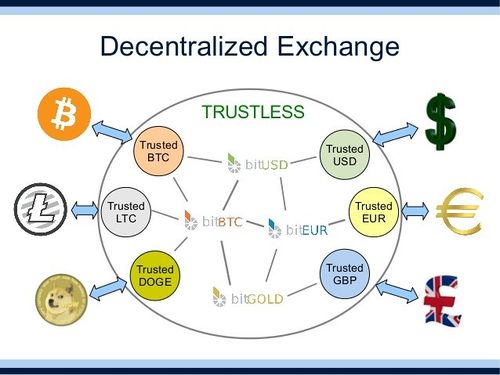

Smart Contracts and Automation
Sparkdex relies on smart contracts deployed on a blockchain network. These contracts automatically execute trades when predefined conditions are met, removing the need for manual order matching.
Key functions of smart contracts on Sparkdex include:
Executing token swaps
Managing liquidity pools
Calculating prices algorithmically
Ensuring transparent transaction records
This automation minimizes human error and enhances trust.
Liquidity Pools Explained
Instead of using traditional order books, Sparkdex typically uses liquidity pools. These pools are collections of tokens locked in smart contracts by liquidity providers.
Liquidity pools allow:
Continuous trading without waiting for buyers or sellers
Fair price discovery through algorithms
Incentives for users who supply liquidity
Liquidity providers often earn a share of trading fees, making participation attractive for long-term holders.
Sparkdex Features That Matter for Beginners
Sparkdex is designed with accessibility in mind. While DeFi can seem intimidating, the platform focuses on clarity and usability.
Some beginner-friendly features include:
Clean and intuitive interface
Wallet-based login with no account creation
Clear transaction confirmations
On-chain transparency for all trades
These features help new users build confidence while interacting with decentralized finance tools.
Sparkdex vs Centralized Exchanges
Understanding the difference between decentralized and centralized exchanges is essential. Sparkdex differs significantly from traditional platforms in several ways.
Key distinctions include:
Asset control: Users retain custody of their funds
Security: Reduced risk of centralized hacks
Privacy: No mandatory identity verification
Accessibility: Global access without restrictions
While centralized exchanges may offer faster onboarding, Sparkdex emphasizes autonomy and trustless interaction.
Security and Trust in Sparkdex
Security is a major concern in DeFi, especially for beginners. Sparkdex addresses this by relying on transparent smart contracts and blockchain verification.
Important security considerations include:
On-chain verification of all transactions
Reduced counterparty risk
Open access to contract data
Community-driven trust mechanisms
For a deeper understanding of blockchain security principles, authoritative resources like Ethereum’s official documentation at https://ethereum.org and industry analysis from Forbes at https://www.forbes.com provide valuable insights.
Why Sparkdex Matters in the Future of DeFi
The growth of DeFi depends on platforms that balance innovation with usability. Sparkdex contributes to this evolution by lowering entry barriers while preserving decentralization.
Its importance lies in:
Encouraging self-custody and financial independence
Promoting transparent and open finance
Supporting a more inclusive global financial system
As DeFi adoption grows, platforms like Sparkdex help bridge the gap between complex technology and everyday users.
Getting Started With Sparkdex
If you are considering using Sparkdex, the process is straightforward. Most users begin by connecting a compatible wallet and exploring available trading pairs.
Typical steps include:
Connecting a non-custodial wallet
Selecting a token pair to trade
Reviewing transaction details
Confirming the swap on-chain
You can learn more and explore the platform directly through Sparkdex, which provides access to its core features and tools.
Final Thoughts on Sparkdex
Sparkdex represents a practical entry point into decentralized trading for beginners while still offering robust functionality for advanced users. By combining smart contracts, liquidity pools, and a user-friendly design, it demonstrates how DeFi platforms can be both powerful and accessible.
As with any DeFi tool, users should take time to understand the risks and mechanics before committing significant funds. For those ready to explore decentralized exchanges, Sparkdex offers a compelling starting point that reflects the future direction of decentralized finance.
Comments
Post a Comment