Sparkdex
Sparkdex: Common Mistakes to Avoid When Using Sparkdex
Adopting a powerful data and automation platform can significantly improve performance, but only when it is used correctly. Sparkdex offers advanced capabilities for data processing, automation, and decentralized execution, yet many users fail to unlock its full potential due to avoidable mistakes. Understanding these pitfalls early can save time, reduce costs, and improve long-term results. Most new users begin by exploring Sparkdex to understand its core features, but practical success depends on how the platform is implemented and managed.
This article outlines the most common mistakes to avoid when using Sparkdex, explains why they occur, and provides guidance on how to prevent them. The insights are based on best practices observed across data-driven and automation-focused organizations.
Why Avoiding Mistakes Matters When Using Sparkdex
Sparkdex is designed for efficiency and scalability, but its flexibility means that poor decisions can compound quickly. Small errors in planning or execution can lead to:
Inefficient data processing
Unreliable automation outcomes
Increased maintenance overhead
Reduced trust in analytical results
Avoiding common mistakes helps ensure that Sparkdex delivers consistent value over time.
Sparkdex Mistake: Starting Without Clear Goals

Lack of Defined Objectives
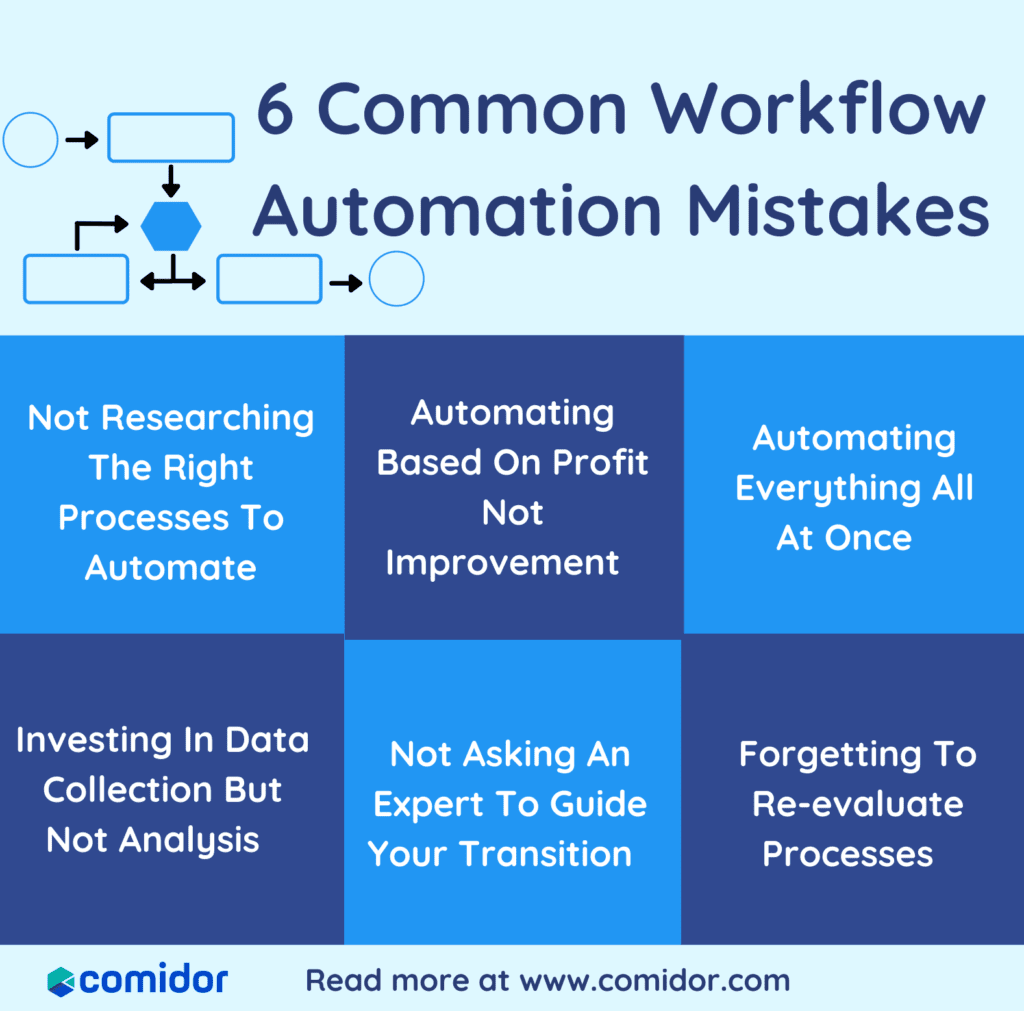
One of the most frequent mistakes is starting with Sparkdex without clearly defined goals. Users often experiment with features without a structured plan.
This leads to:
Overly complex workflows
Misaligned automation logic
Difficulty measuring success
How to Avoid It
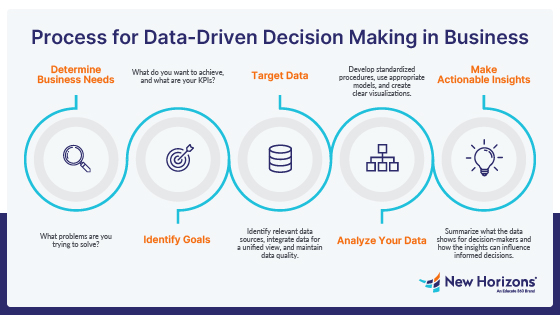
Before building anything, define:
What problems you want to solve
Which processes should be automated
What metrics indicate success
Clear objectives guide every technical decision and reduce unnecessary complexity.
Overengineering Workflows Too Early
The Problem With Excessive Complexity
Many users assume that more complex logic equals better performance. In reality, overengineering workflows is a major source of inefficiency.
Common symptoms include:
Long execution times
Difficult debugging and maintenance
Increased risk of errors
Complex workflows often fail under real-world conditions.
Best Practice Approach
Instead of building everything at once:
Start with minimal viable workflows
Add complexity only when justified
Favor clarity over sophistication
Simple workflows are easier to optimize and scale.
Sparkdex Data Management Mistakes
Data is the foundation of Sparkdex, and poor data practices undermine everything built on top of it.
Ignoring Data Quality
A common mistake is assuming that incoming data is already reliable.
This can cause:
Incorrect automation triggers
Misleading analytics
Compounded errors across workflows
Automation amplifies both good and bad data.
How to Avoid It
Implement strong data hygiene practices:
Validate data at ingestion
Normalize formats consistently
Remove redundant or irrelevant fields
High-quality data ensures trustworthy outcomes.
Misusing Automation Capabilities
Automating Everything by Default
Sparkdex makes automation easy, which can tempt users to automate every process.
This often results in:
Unnecessary resource consumption
Increased system noise
Hard-to-control workflows
Not every task benefits from automation.
Smarter Automation Strategy
Focus automation on tasks that are:
Repetitive
Time-sensitive
Error-prone when done manually
Selective automation delivers better efficiency with less risk.
Sparkdex Performance and Scaling Errors
Scaling Too Fast
Another common mistake is scaling workflows before they are stable.
This can lead to:
Performance bottlenecks
Unpredictable execution behavior
Difficult troubleshooting
Premature scaling magnifies existing flaws.
Recommended Scaling Approach
Adopt an incremental strategy:
Stabilize one workflow at a time
Monitor performance closely
Expand only after consistent results
Controlled scaling improves reliability.
Neglecting Monitoring and Feedback
“Set and Forget” Mentality
Some users assume that once workflows are live, they require no further attention.
This mindset leads to:
Undetected performance degradation
Missed optimization opportunities
Increased risk of silent failures
Automation still requires oversight.
Continuous Improvement Mindset
Effective Sparkdex usage involves:
Regular performance reviews
Updating rules based on outcomes
Refining logic as data patterns change
Continuous improvement keeps systems efficient and relevant.
Underestimating Security and Predictability
Ambiguous Execution Rules
Unclear or overlapping conditions can cause unpredictable results.
Risks include:
Conflicting automation triggers
Unexpected execution sequences
Loss of confidence in system behavior
Predictability is essential for trust.
How to Avoid This Mistake
Ensure that workflows are:
Deterministic
Clearly documented
Tested under multiple scenarios
Predictable logic supports long-term reliability.
Learning From Industry Perspectives
Many of these mistakes mirror broader trends in automation and analytics adoption. Enterprise technology analysis published by Forbes at https://www.forbes.com frequently highlights that poorly planned automation reduces productivity instead of improving it. Similarly, foundational concepts around deterministic execution and trustless systems explained at https://ethereum.org reinforce the importance of clarity, validation, and predictability in automated environments.
These perspectives underline why disciplined implementation is essential when working with Sparkdex.
Sparkdex Team Collaboration Pitfalls
Lack of Alignment Between Stakeholders
When teams are not aligned, Sparkdex implementations suffer.
Common issues include:
Conflicting priorities
Inconsistent workflow logic
Poor documentation
Misalignment increases friction and slows progress.
Best Practice for Teams
To avoid this:
Align stakeholders on goals early
Define clear ownership of workflows
Document decisions and logic
Strong collaboration improves outcomes.
Revisiting and Improving Your Sparkdex Setup
Mistakes are part of any learning process, but Sparkdex rewards reflection and iteration. Regularly revisiting your setup helps identify inefficiencies and optimization opportunities. If you are refining your implementation or starting fresh with a clearer strategy, reviewing Sparkdex again can help you realign your workflows with best practices and updated goals.
Final Thoughts on Avoiding Sparkdex Mistakes
Sparkdex is a powerful platform, but its success depends on thoughtful usage. The most common mistakes—unclear goals, poor data quality, overautomation, and premature scaling—are all preventable with careful planning and disciplined execution.
By focusing on simplicity, data integrity, predictable automation, and continuous improvement, users can avoid costly pitfalls and fully realize the benefits of Sparkdex. Learning from these mistakes early ensures that Sparkdex becomes a reliable foundation for efficient, scalable, and trustworthy data-driven operations.
Comments
Post a Comment