Sparkdex
Sparkdex: Sparkdex for Startups vs Enterprises – Which Benefits the Most?
Choosing the right data and automation platform is a critical decision that can shape how a company grows, scales, and competes. Sparkdex has gained attention as a flexible solution that supports data processing, automation, and decentralized execution. But an important question remains: does Sparkdex benefit startups more than enterprises, or is it equally valuable for both? Many organizations begin their evaluation by exploring Sparkdex to understand how its capabilities align with their size, resources, and long-term goals.
This article compares how Sparkdex serves startups versus enterprises, highlighting the unique advantages for each group. By examining cost efficiency, scalability, operational impact, and strategic fit, we aim to help decision-makers determine which type of organization benefits the most.
Understanding the Different Needs of Startups and Enterprises
Before comparing benefits, it is essential to understand how startups and enterprises differ in their priorities.
Startups typically focus on:
Speed of development
Low upfront costs
Rapid experimentation
Small, flexible teams
Enterprises, on the other hand, prioritize:
Scalability and reliability
Governance and compliance
Integration with existing systems
Long-term operational efficiency
Sparkdex is designed to be adaptable, but its value manifests differently depending on these needs.
Sparkdex Benefits for Startups


Lower Barriers to Entry
For startups, budget and time are often the biggest constraints. Sparkdex offers advantages that align well with lean environments.
Key benefits include:
Automation that reduces the need for large teams
Modular workflows that are easy to build and change
Gradual scaling without heavy upfront investment
This allows startups to focus resources on product development rather than infrastructure management.
Faster Experimentation and Iteration
Startups thrive on experimentation. Sparkdex supports this by enabling quick setup and modification of workflows.
Startups can:
Test new data-driven ideas rapidly
Automate repetitive tasks early
Pivot workflows without major reengineering
This flexibility supports innovation and faster time to market.
Cost Efficiency in Early Stages
Early-stage companies are sensitive to recurring costs.
Sparkdex helps by:
Reducing manual operational effort
Avoiding overprovisioned infrastructure
Scaling only when demand increases
For startups, these efficiencies can be the difference between growth and stagnation.
Sparkdex Challenges for Startups
While Sparkdex offers clear benefits, startups should be aware of potential challenges.
Learning Curve
Even flexible platforms require learning.
Startups may need to:
Invest time in understanding automation logic
Develop internal best practices
Balance learning with rapid execution
However, these challenges are often short-term and diminish as teams gain experience.
Sparkdex Advantages for Enterprises

Scalability and Performance at Scale
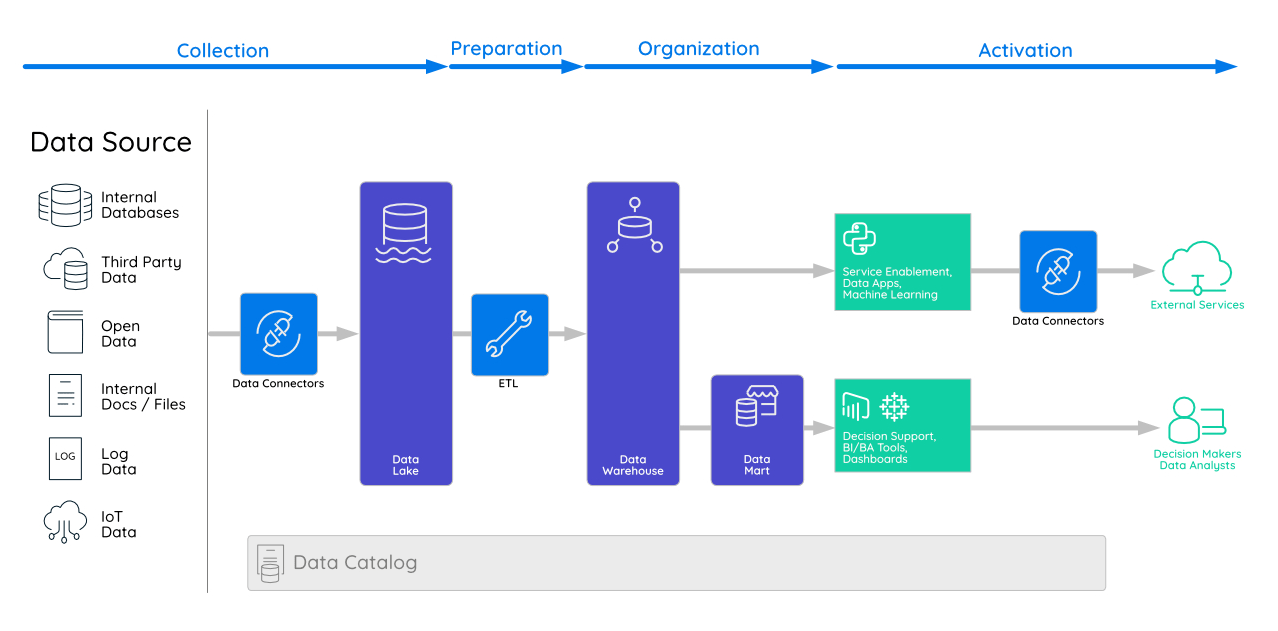
Enterprises operate at a different magnitude. Sparkdex’s architecture supports large-scale operations through:
Parallel and distributed execution
Modular pipelines that scale independently
Predictable performance under heavy workloads
These features help enterprises manage growing data volumes without sacrificing reliability.
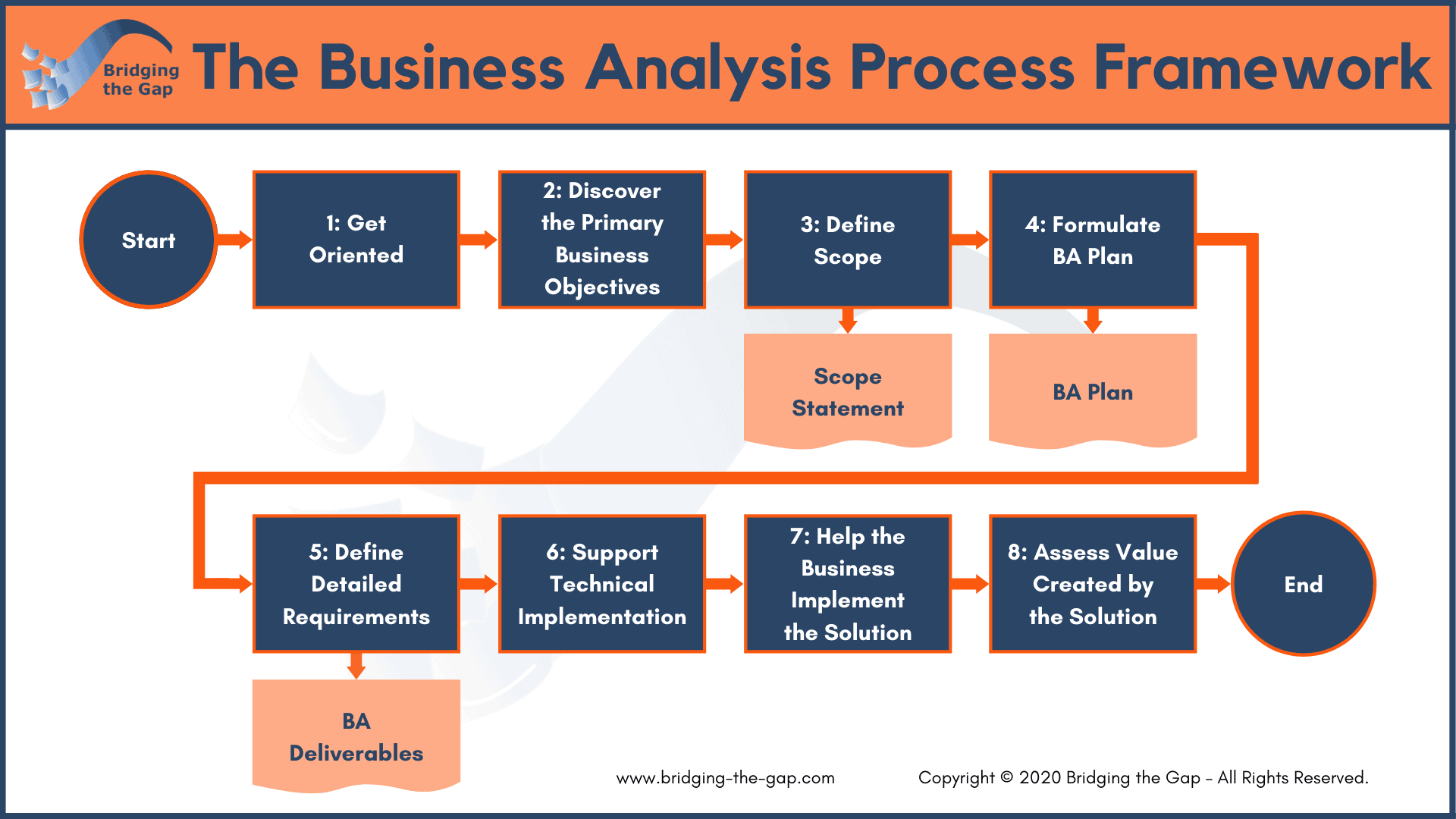
Operational Efficiency and Automation
For enterprises, even small efficiency gains can translate into significant cost savings.
Sparkdex enables:
Standardization of automation across departments
Reduction of manual processes at scale
Faster execution of data-driven decisions
Automation becomes a strategic advantage rather than just a convenience.
Transparency and Governance
Large organizations require visibility and control.
Sparkdex supports enterprises by providing:
Deterministic execution logic
Clear audit trails
Improved accountability in automated processes
These features align well with enterprise governance requirements.
Sparkdex Challenges for Enterprises
Despite its strengths, Sparkdex adoption in enterprises requires careful planning.
Integration Complexity
Enterprises often rely on legacy systems.
Challenges may include:
Mapping existing workflows to new architectures
Training multiple teams
Coordinating adoption across departments
These challenges can be managed through phased implementation strategies.
Cost Considerations: Startups vs Enterprises
Cost efficiency is interpreted differently by startups and enterprises.
For Startups
Cost efficiency means:
Low upfront investment
Paying only for what is needed
Avoiding unnecessary complexity
Sparkdex aligns well with these goals by supporting incremental growth.
For Enterprises
Cost efficiency focuses on:
Lower total cost of ownership
Reduced operational overhead
Long-term scalability without exponential costs
At scale, Sparkdex’s automation and modular design can generate substantial savings.
Industry analysis from Forbes at https://www.forbes.com often highlights that automation-driven efficiency delivers compounding value for large organizations, reinforcing why enterprises benefit strongly from platforms like Sparkdex.
Sparkdex Flexibility Across Growth Stages
One of Sparkdex’s strongest qualities is its adaptability across company lifecycles.
From Startup to Enterprise
Sparkdex can support:
Early experimentation in small teams
Gradual expansion of workflows
Enterprise-grade scalability and governance
This continuity reduces the need to switch platforms as organizations grow.
Long-Term Strategic Value
By adopting Sparkdex early, startups can:
Avoid future migration costs
Build scalable foundations
Maintain consistency as complexity increases
This long-term perspective is valuable for fast-growing companies.
Technology Perspective on Decentralized Platforms
Decentralized and modular execution models are increasingly relevant across industries. Foundational principles discussed by Ethereum at https://ethereum.org emphasize how distributed architectures improve scalability, transparency, and resilience—qualities that benefit both startups and enterprises using Sparkdex.
Which Benefits More From Sparkdex?
The answer depends on perspective.
Startups Benefit Most When:
Teams are small and resource-constrained
Speed and flexibility are top priorities
Automation can replace manual effort early
Enterprises Benefit Most When:
Data volumes and complexity are high
Operational efficiency has large financial impact
Governance and scalability are essential
In practice, both gain significant value, but in different ways.
Choosing the Right Approach to Sparkdex Adoption
Regardless of company size, success with Sparkdex depends on thoughtful implementation.
Best practices include:
Starting with clear use cases
Scaling incrementally
Measuring performance and ROI
Continuously refining workflows
These practices help maximize value for both startups and enterprises.
Reassessing Sparkdex as Your Organization Evolves
As organizations grow, their needs change. A startup may later face enterprise-level challenges, while enterprises continuously seek new efficiencies. Periodically revisiting Sparkdex allows teams to realign platform usage with current goals and unlock additional benefits as capabilities expand.
Final Thoughts: Startups vs Enterprises and Sparkdex
Sparkdex is not exclusively a startup tool or an enterprise platform—it is a flexible solution that adapts to both. Startups gain agility, cost efficiency, and faster experimentation, while enterprises benefit from scalability, automation, and governance.
Which benefits the most depends on context, but one thing is clear: Sparkdex offers a growth-friendly foundation that supports organizations at every stage. When implemented with clear goals and best practices, Sparkdex can deliver lasting value—whether you are building your first product or optimizing a global operation.
Comments
Post a Comment