THORSwap
Best Wallets for THORSwap: Setup Tips and Compatibility for thorswap swap
Choosing the right wallet is one of the most important steps before using any decentralized exchange, especially when you plan to perform a thorswap swap. The wallet you select determines not only how easy it is to connect to the platform, but also how securely you can manage your assets. THORSwap is a non-custodial, cross-chain swap interface that empowers users to trade native assets across blockchains. Many people dive into decentralized trading directly through thorswap swap, but without a compatible wallet, even the best user experience can fall short.
In this comprehensive guide, we’ll explore the best wallets for THORSwap, how to set them up, and which factors matter most when choosing a wallet for cross-chain swaps. We’ll also provide practical tips to ensure your crypto assets stay secure while navigating decentralized finance (DeFi).

Why Wallet Choice Matters for thorswap swap
Your wallet is the bridge between your assets and the decentralized world of DeFi. For a thorswap swap, the ideal wallet must be:
Compatible with multiple blockchains
Able to hold native assets (not just wrapped tokens)
Easy to connect to decentralized interfaces
Secure with private key ownership
Selecting a wallet that meets these criteria makes cross-chain swapping smoother and safer.
Core Wallet Features to Consider
When evaluating wallets for THORSwap, look for:
Multi-chain support — so you can hold assets from different blockchains
Non-custodial control — you own your private keys
Integration with popular DeFi interfaces
User-friendly setup and recovery options
These fundamentals improve your experience and reduce risk.
Top Wallets Compatible With thorswap swap
Here are some of the best wallet options to use with THORSwap, categorized by type and use case:
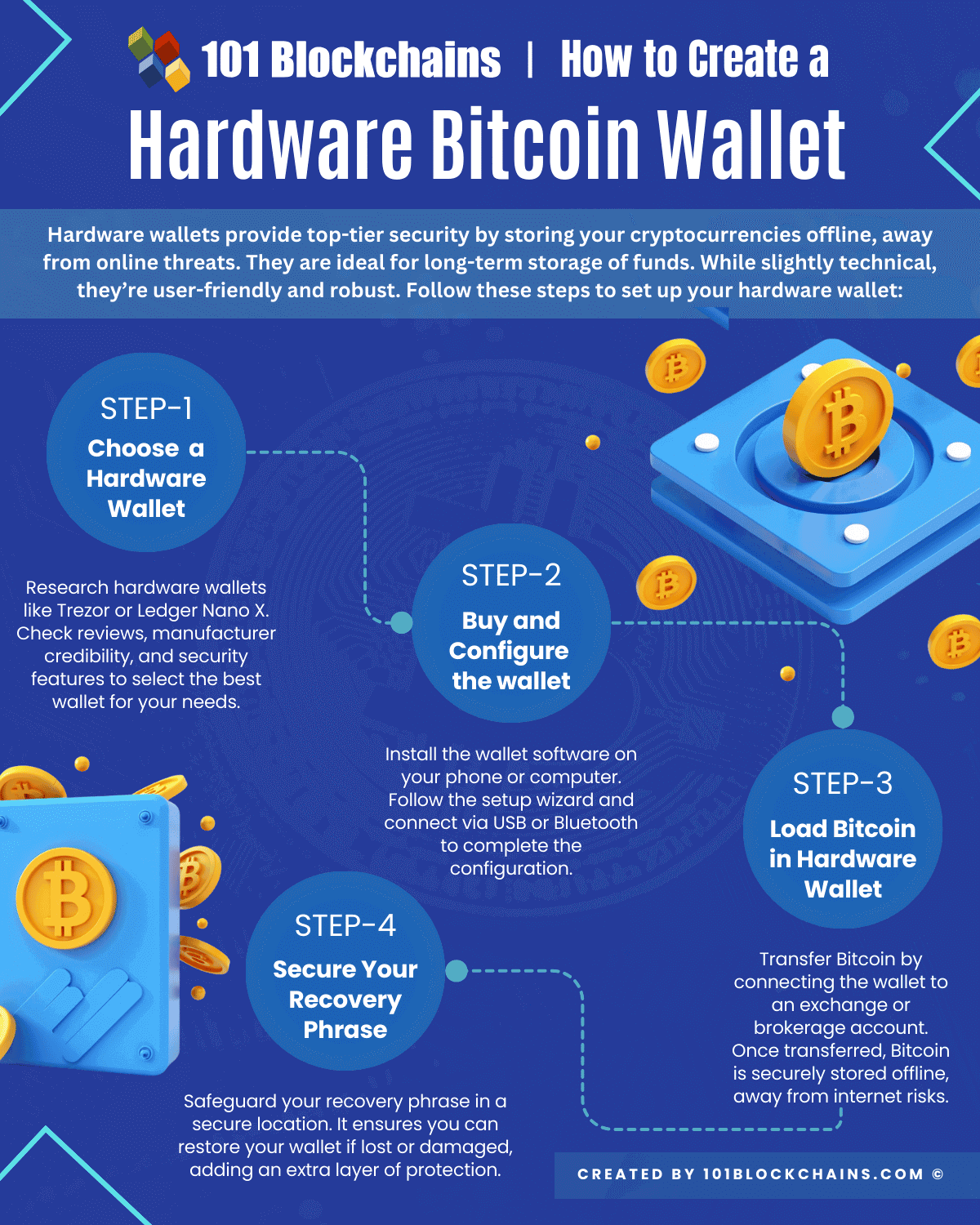
Hardware Wallets (Most Secure)
Ledger (Nano S and Nano X)
Stores private keys offline
Excellent for long-term asset security
Works with many blockchain networks
Trezor Model T
Strong open-source security
Supports a wide range of cryptos
Ideal for serious HODLers and frequent traders
Advantages of hardware wallets:
Private keys never leave the device
Protection from malware and phishing
Physical confirmation for transactions
Disadvantages:
Costs money up front
Requires careful storage of recovery phrase
Hardware wallets pair with browser or mobile wallets to sign transactions when you perform a thorswap swap.
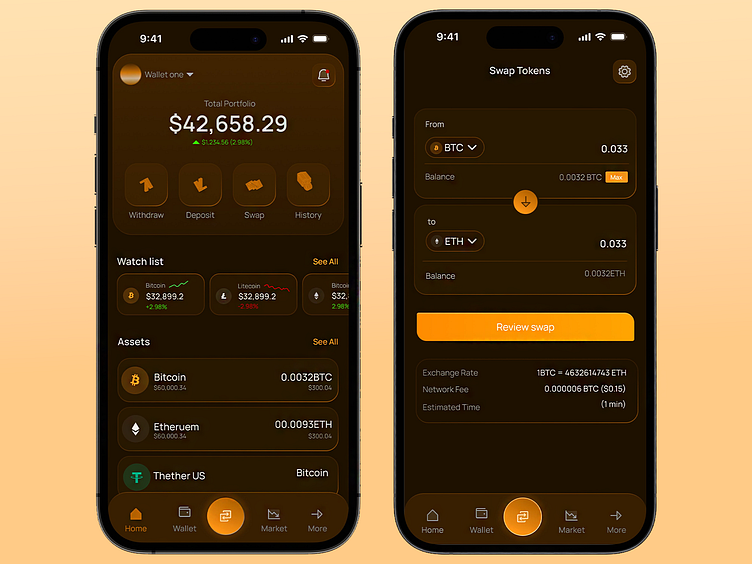
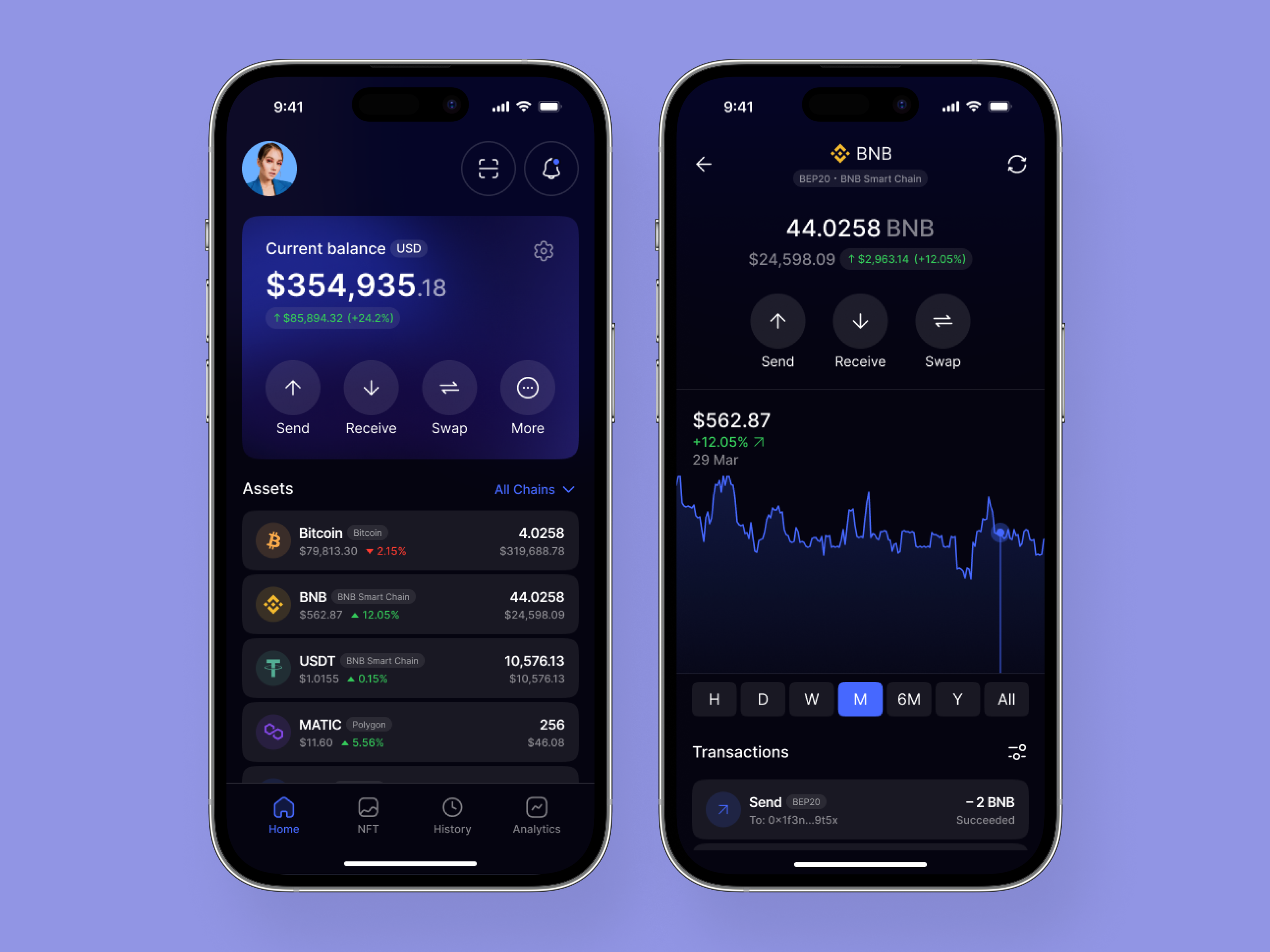
Software Wallets (Convenient and Flexible)
MetaMask
Popular browser and mobile wallet
Supports Ethereum and various networks
Integrates with many DeFi apps
Easy to connect for cross-chain transactions
Trust Wallet
Mobile-first design
Supports many blockchains and tokens
Built-in DApp browser for easy connection
WalletConnect-Compatible Wallets
Use WalletConnect to link many different mobile wallets
Universal way to connect wallets to decentralized platforms
Advantages of software wallets:
Free to use
Smooth integration with interfaces like thorswap swap
Great for day-to-day trading
Disadvantages:
Private keys stored on device (potential risk if compromised)
Reliant on phone or browser security
Setting Up Your Wallet for THORSwap
Getting started with your wallet doesn’t have to be complicated. Follow these steps for a secure setup:
Step-by-Step Setup
Choose a Wallet
Decide based on your priorities (security vs convenience)
Install and Initialize
Download from official sources only
Create a new wallet or import an existing one
Secure Your Recovery Phrase
Write it down on paper
Never store it digitally in plain text
Add Supported Networks
Ensure the blockchain networks you plan to use are enabled in your wallet
Fund Your Wallet
Transfer native assets you want to swap
Keep a small balance to cover network fees
With this setup, you’ll be ready to execute your first thorswap swap securely and confidently.
Best Practices During Setup
Backup multiple copies of your recovery phrase
Test with small amounts before large swaps
Verify network configurations before sending funds
These simple steps can prevent costly mistakes.
Security Tips When Using Wallets With THORSwap
Security isn’t just about choosing the right wallet—it’s also about how you use it. Here are important safety practices:
Protect Your Private Keys
Never share your private keys
Avoid taking screenshots of recovery phrases
Use offline or hardware wallets for significant amounts
Beware of Phishing and Fake Sites
Always verify website URLs before connecting your wallet. A scam site can trick your wallet into signing malicious transactions.
High-level resources explain common security threats in crypto, including how to protect yourself from scams and hacks on decentralized platforms like DeFi interfaces. A trusted source of blockchain fundamentals is available at https://ethereum.org.
Regularly Update Your Software
Whether it’s your wallet app or device firmware, keeping software up-to-date closes known vulnerabilities that attackers might exploit.
Tips for Managing Multiple Wallets
If you use more than one wallet, it’s wise to:
Label wallets clearly
Allocate assets by purpose (trading vs saving)
Keep different keys for different risk profiles
This approach helps compartmentalize assets, reducing the impact of a potential breach.
When to Use a Hardware Wallet
Hardware wallets are especially important when:
Holding large amounts of crypto
Participating in long-term staking
You plan frequent thorswap swap activity with high value
Investing in hardware wallets demonstrates a commitment to security.
How Wallet Compatibility Affects User Experience
A wallet’s ease of use can make or break your decentralized exchange journey:
Simple interfaces mean faster transactions
Strong support for networks reduces errors
Seamless connection to platforms like thorswap swap improves efficiency
Choosing a wallet that fits your skill level ensures a smoother path forward.
Common Wallet Issues and How to Fix Them
When using wallets with THORSwap, users can encounter:
Wrong network errors
Insufficient fee warnings
Transaction confirmations taking longer than expected
To resolve these, double-check networks, maintain native token balances for fees, and be patient with confirmations during peak activity.
Final Thoughts on Wallet Selection
Selecting the right wallet for a thorswap swap is foundational to your DeFi success. Whether you choose a secure hardware wallet or a flexible software option, the most important factors are compatibility, security, and user confidence.
Before performing your next swap, take time to review wallet settings and security measures. Once you’ve chosen the right wallet and configured it properly, connected trading becomes straightforward and secure—allowing you to focus on what matters most: managing and growing your crypto assets through powerful decentralized tools.
Comments
Post a Comment